Accidents can happen at any time, often leaving individuals feeling overwhelmed and unsure of what to do next. Whether it is a car crash, workplace injury, or slip and fall, seeking immediate medical attention is crucial. Even if injuries appear minor, a prompt medical evaluation can prevent complications and provide essential documentation for insurance or legal claims. Many injuries may not be immediately apparent, making early medical assessment even more important.
Following an accident, adrenaline and shock can mask pain, leading individuals to believe they are unharmed. However, conditions such as concussions, internal bleeding, or whiplash may take hours or even days to show symptoms. Without prompt medical evaluation, these hidden injuries could worsen, leading to serious health risks. For example, internal bleeding can become life-threatening if left untreated. Seeking medical attention ensures that potential injuries are diagnosed and treated before complications arise.
Ignoring injuries after an accident can lead to chronic pain or permanent damage. Conditions such as spinal injuries, fractures, or soft tissue damage can develop into long-term medical issues if not addressed promptly. Early medical intervention can significantly improve recovery outcomes by providing the right treatment at the right time. Physical therapy, medications, or even surgery may be necessary to prevent lasting complications. Therefore, seeking medical attention as soon as possible is a vital step in ensuring long-term health and well-being.
Medical records play a crucial role in insurance claims and legal proceedings following an accident. Insurance companies often require medical documentation to approve compensation claims. If a person delays seeking medical care, insurance providers may argue that the injury was not caused by the accident or is not serious enough to warrant compensation. In legal cases, medical reports serve as evidence to support claims, helping victims receive fair settlements. Seeking immediate medical attention strengthens one’s case and ensures that necessary medical expenses are covered.
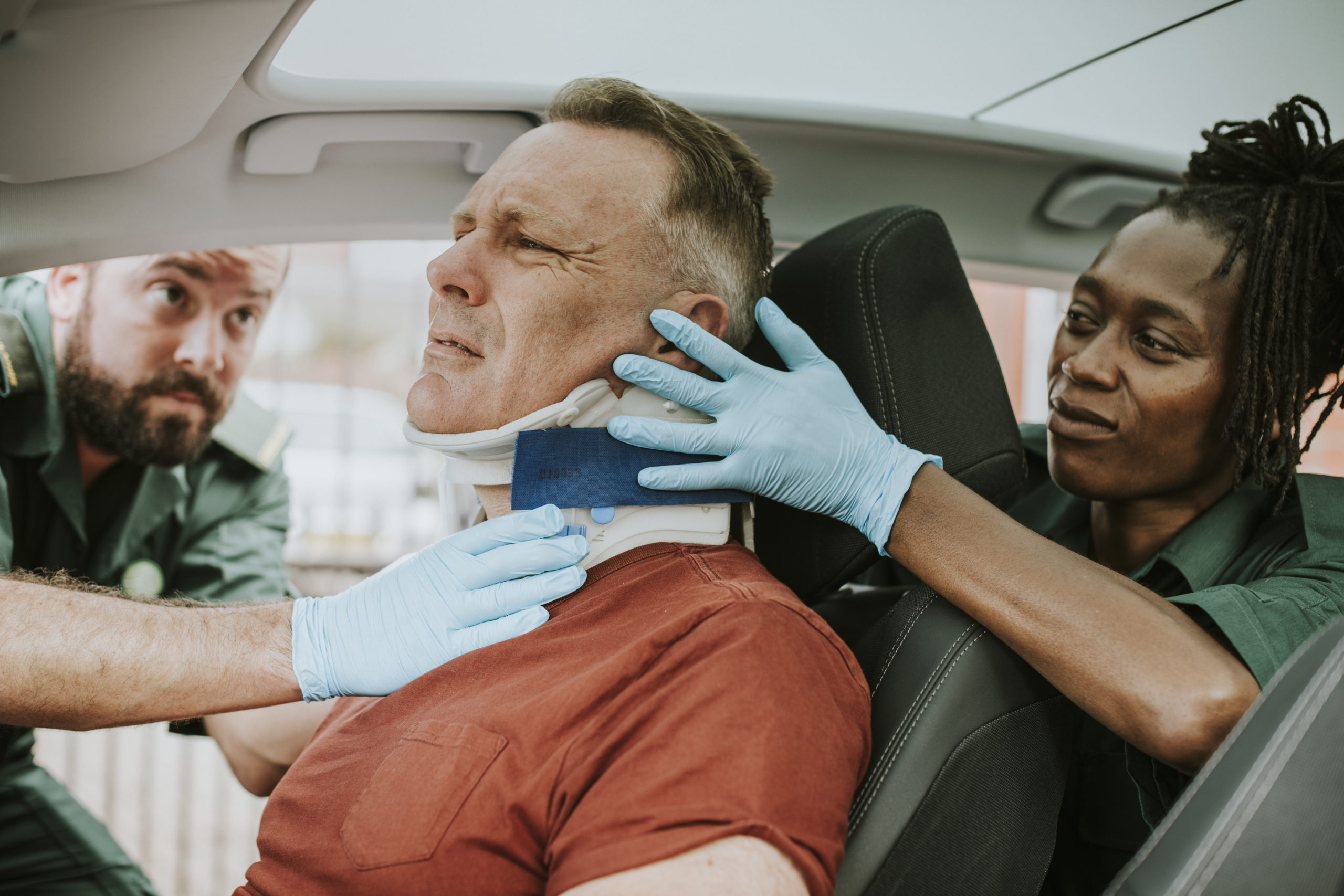
When individuals seek medical attention after an accident, healthcare professionals can create a treatment plan tailored to their needs. This plan may include medication, rehabilitation, or follow-up visits to monitor progress. A well-documented treatment plan also provides a clear path to recovery, reducing the risk of complications. Additionally, following a doctor’s recommendations can prevent worsening of injuries and improve overall quality of life.
Accidents can have psychological effects, including stress, anxiety, or post-traumatic stress disorder (PTSD). Seeking medical attention does not only involve treating physical injuries but also addressing emotional well-being. Mental health professionals can help accident victims cope with trauma, ensuring they receive the support needed for full recovery. Ignoring emotional distress can negatively impact daily life, relationships, and overall well-being. Medical professionals can recommend therapy or counseling if needed, helping individuals regain a sense of normalcy.
Seeking medical attention after an accident is a critical step that should never be overlooked. Hidden injuries, long-term health risks, and legal complications can all arise if medical care is delayed. Prompt evaluation and treatment not only protect an individual’s health but also provide essential documentation for insurance and legal claims. Additionally, addressing emotional trauma is just as important as treating physical injuries. Prioritizing medical attention ensures a smoother recovery process and prevents potential complications in the future. No matter how minor an accident seems, consulting a healthcare professional is always the best course of action.


